India, Nepal, Bangladesh finalize Trilateral Power Trade Agreement Draft
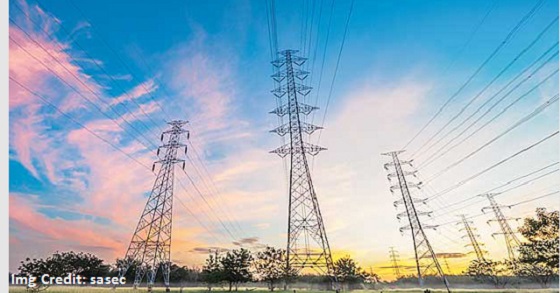
India, Nepal, and Bangladesh recently
reached an agreement on a tripartite power trade agreement, reflecting New
Delhi's endeavors to increase energy ties within the region. The
first-of-its-kind pact has been accepted by the three nations and is expected to
be finalized in the upcoming months. This is going to fulfill the long-standing
request from Nepal and Bangladesh to permit the exchange of electricity through
India's grid. This initiative is part of India's aim to develop energy
connections with Bangladesh, Bhutan, Nepal, and Sri Lanka by establishing
electricity transmission networks and petroleum pipelines.
During the recent visit of Nepal’s Prime
Minister (Pushpa Kamal Dahal) to New Delhi, India in early June, the Prime
Minister of India (Narendra Modi) presented India's master plan to increase
Nepal's hydropower exports to Bangladesh. Dahal said the country is going to
start with exports, but there is a possibility that exports is expected to increase
after the deal is closed. The proposed deal would allow Bangladesh to import
electricity from Nepal through India's transmission grid.
A trilateral power trade agreement
between India, Nepal and Bangladesh facilitates the export of hydropower from
Nepal to Bangladesh through India's transmission network. The deal is expected
to enable Nepal to export electricity to Bangladesh through the Indian
transmission grid. India has agreed to submit a proposal to export 50 megawatts
of electricity generated by hydropower projects in Nepal to Bangladesh, subject
to certain conditions. The proposal is to be submitted to the Central
Electricity Board of India for approval and the Indian authorities are going to
carry out the necessary review and approval in accordance with the guidelines
issued by the Government of India on cross-border electricity.
A trilateral electricity trade agreement
would bring many benefits to these three countries. This is going to help
reduce power shortages in Bangladesh and Nepal while providing a market for
surplus electricity generated in Nepal. The agreement is also expected to help
strengthen regional cooperation and integration, which is a top priority for
all three countries.
The proposed agreement is an important
step towards improving energy connectivity in the region and helps promote
sustainable development and economic growth. It is also likely to help reduce
Bangladesh and Nepal's dependence on fossil fuels, which benefits the
environment. The contract is expected to be signed in the coming months and it
is hoped that it would be implemented as soon as possible.