Nissan to Shut Mexico Plant After Posting Heavy Quarterly Loss
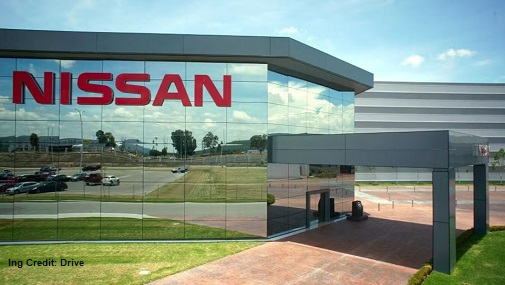
Nissan is stepping up its
global restructuring after reporting a tough financial quarter. The Japanese
automaker announced a net loss of USD 535 million (¥79.1 billion) for
April-June 2025, hit by weak sales and higher costs linked to U.S. tariffs.
As part of its turnaround
plan, Nissan revealed it will close its Civac plant in Mexico by March 2026.
The factory, which has been a key site for building compact cars, has lost its
edge due to shifting consumer demand and tariff-related challenges. Production
will be shifted to plants in Asia and North America, where Nissan hopes to
operate more efficiently.
This move is not isolated.
Nissan has already been shutting or scaling down factories worldwide as it
works to streamline operations and cut excess capacity. The company wants to
free up resources to invest in future growth areas such as electric vehicles
and advanced driver-assistance technologies.
The closure of the Mexico
plant also reflects how global trade dynamics are reshaping automakers’
strategies. Mexico has long been seen as a cost-effective hub for producing
vehicles aimed at the U.S. market, but tariffs have made it harder to maintain
that advantage. By relocating production, Nissan is betting it can reduce
exposure to trade barriers and position itself better for the EV transition.
Although these decisions are
painful in the short term, impacting workers and reducing output, they are part
of Nissan’s effort to return to profitability. Analysts say traditional
carmakers like Nissan are under mounting pressure. Sales of conventional cars
are slowing, regulatory requirements are getting stricter, and the cost of
electrification is rising.
The company’s success
will depend on how quickly it can execute its EV strategy and adapt to the new
market reality. For now, Nissan is in the middle of a difficult but necessary
transformation. The next few years will be crucial in determining whether the
automaker can regain its footing and stay competitive in an industry moving
rapidly toward electrification.