ExxonMobil Considers Sale of European Chemical Plants Amid Industry Challenges
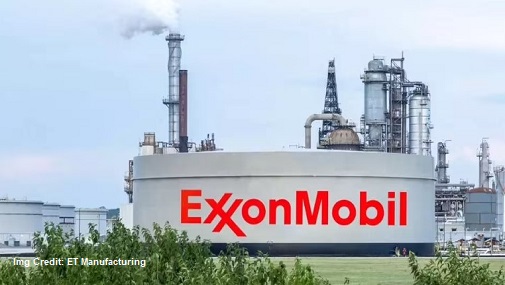
ExxonMobil is exploring the sale of
chemical plants in the UK and Belgium amid tariffs and rising Asian
competition.
Texas, United States: ExxonMobil is reportedly exploring
the sale of its European chemical plants in the UK and Belgium, as the region’s
industry continues to face mounting pressure from U.S. tariffs and rising
competition from China. According to sources cited by a newspaper, the U.S.
energy major has held early-stage discussions with advisers in recent weeks
regarding potential divestments, which could be valued at up to USD 1 billion.
The European chemicals sector is under
renewed strain as “U.S. tariffs disrupt global trade, delay orders, and
intensify competition from cheaper Asian imports,” compounding difficulties
from the 2022 energy crisis. ExxonMobil currently operates an ethylene facility
in Fife, Scotland, along with multiple production sites in Belgium. The company
has also considered the possibility of shutting down these plants altogether.
Other global chemical producers,
including LyondellBasell and Sabic, are also scaling back operations in Europe.
LyondellBasell earlier this year sold select olefin and polyolefin assets,
while ExxonMobil in May entered into exclusive negotiations with the French
unit of Canadian energy group North Atlantic to divest its majority-owned
French subsidiary, Esso.
According to TechSci Research, ExxonMobil’s potential sale of its
chemical plants in the UK and Belgium highlights the growing challenges facing
the European chemical industry. The move reflects mounting pressure from global
trade disruptions caused by U.S. tariffs, as well as intensifying competition
from low-cost Asian imports. Such divestments could lead to reduced production
capacity in Europe, further impacting supply stability and pricing dynamics
within the region. Additionally, a potential exit by a major player like ExxonMobil
may signal declining investor confidence in Europe’s chemical sector, prompting
other companies to reassess their operations. This trend is already visible,
with firms like LyondellBasell and Sabic scaling back their European
footprints. While asset sales could open opportunities for new entrants or
regional players to acquire facilities at competitive valuations, the overall
development underscores the structural challenges European producers face in
maintaining competitiveness against global peers.